FAQ
WHAT IS A SAFARI? — The word safari derives from the Swahili for ‘a journey’ into the African wilderness. In the 19th and early 20th century safaris were primarily big-game hunting expeditions. Today the meaning has shifted towards watching, studying and photographing wildlife, conservation and ecotourism.
IS A SAFARI FOR ME? — If you have ever wanted to see and photograph free-roaming wildlife in their natural environment, anywhere in the world, then a safari is for you. A safari promises a transformative once-in-a-lifetime adventure, bringing you closer to nature and cultures in a way no other trip can.
GROUP SIZE — My ideal number is 1-6 guests. Keeping the group small makes for a much more enjoyable and personal experience.
WHAT TO EXPECT ON SAFARI — Expect the unexpected! You will be exposed to a phenomenal experience, amongst a wide assortment of mammals, birds and other fascinating creatures; immersing yourself in their ecosystems and the conservation efforts that support them in the natural world. Every day is a new experience. We take our time to enjoy, study and photograph whatever we encounter, often up close and always in a safe environment . In national parks, reserves and concessions there will be two wildlife drives per day, usually 6-11am and 3-7pm, with a break in between. In some locations we are allowed to explore after dark giving us an opportunity for nocturnal animals and birds. In many countries we will be driving between destinations while in others, such as Botswana, we fly between camps.
BEST TIME TO GO — Right now! As with everything the cost of a safari gets more expensive every year. There really is no best time to go, it is always a great time to be on safari! Most destinations have a high and low season, often coinciding with a dry and wet season. There are pros and cons to both. For example in Africa during the dry season (Jun-Oct) vegetation is sparse and water becomes scarce making it easier to see wildlife. During the wet or green season (Dec-Apr) vegetation is lush, mammals may be more spread out; this is calving season (Jan-Mar) for many ungulates; and expect fewer people. This is also a time when migrant birds join many resident birds.
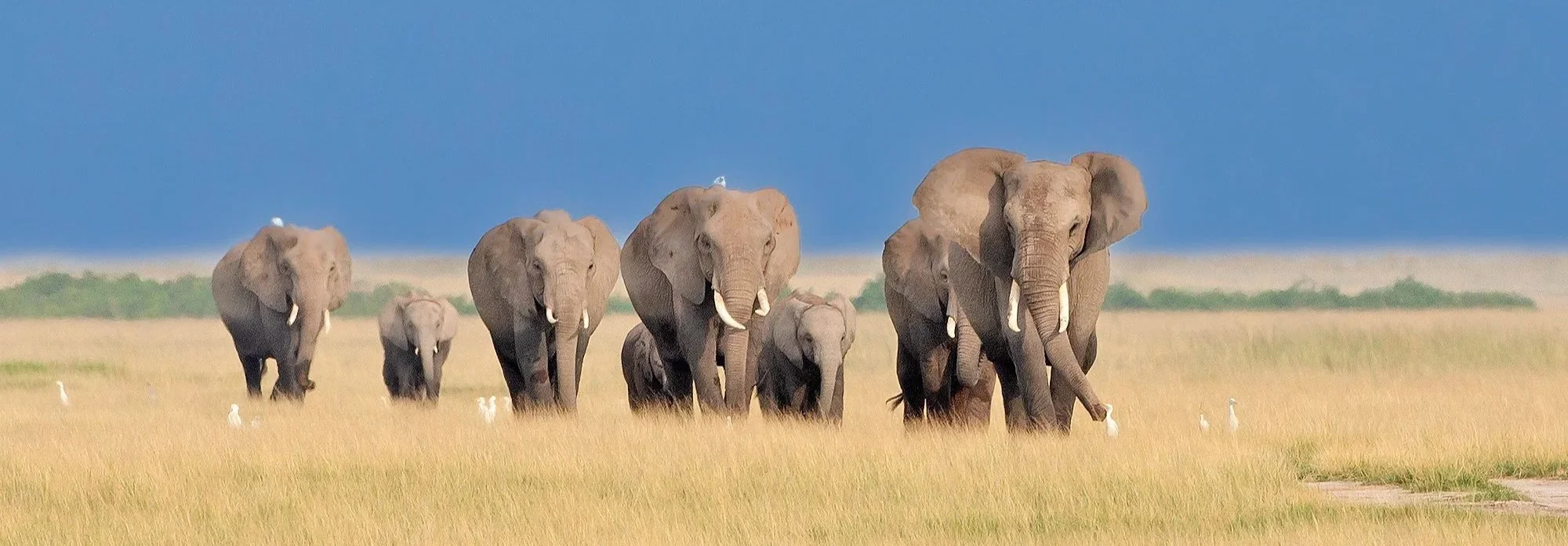
WHERE TO GO — Ask yourself what do you want to see? In Africa, almost every major destination will have lion, zebra, giraffe, elephant, as well as a wide variety of antelopes. Certain animals such as gorillas are only seen in Uganda and Rwanda; the great wildebeest migration of East Africa occurs in Tanzania (Jan-Jun) and Kenya (Jul-Sep); Botswana and Zambia offers the best chance of seeing Wild Dogs; Namibia (Etosha) and South Africa (Kruger) for rhinoceros. Destinations such as Mara-Serengeti in Kenya/Tanzania can be crowded during wildebeest migration, whereas in Botswana the model is high-value/low-volume, by restricting the number of guests in each concession. Experience diverse scenery such as the vast savannas of East Africa; the watery channels of Botswana’s Okavango Delta or the dramatic dunes and desert adapted wildlife of Namibia; see Tigers in the forests of India, and Jaguars in the wetlands of Brazil’s outstanding Pantanal.
VEHICLES — Wildlife will be mostly viewed from a vehicle. There are basically 2 types of safari vehicles, both having seats for 7 guests (3 rows with 2 guests and a passenger seat) - an open-sided vehicle which is most often used on private concessions, and a closed-sided vehicle most often used in National Parks (and for transportation between locations) with side windows and pop-up roof, allowing those in the back to stand to view out while in parks.
ACCOMMODATIONS — A combination of lodges (more people) and camps (small and private) . Depending upon the destination this will vary from permanent lodges, to luxury canvas tents on elevated wooden decks, and/or mobile camps in remote, pristine wilderness. Most destinations have all-inclusive comfort (real beds, private bathroom, hot showers, fan/ac, pool), world-class hospitality and wonderful dining. Accommodations are chosen to amplify the outdoor experience. Many camps are unfenced and safety is paramount, hence all accommodations have security and you will be escorted to your tent after dark.
COST — Costs can vary depending upon country, length of time and level of accommodation. I can work with you to structure a custom itinerary for your budget.