Luangwa: Land of the Leopard
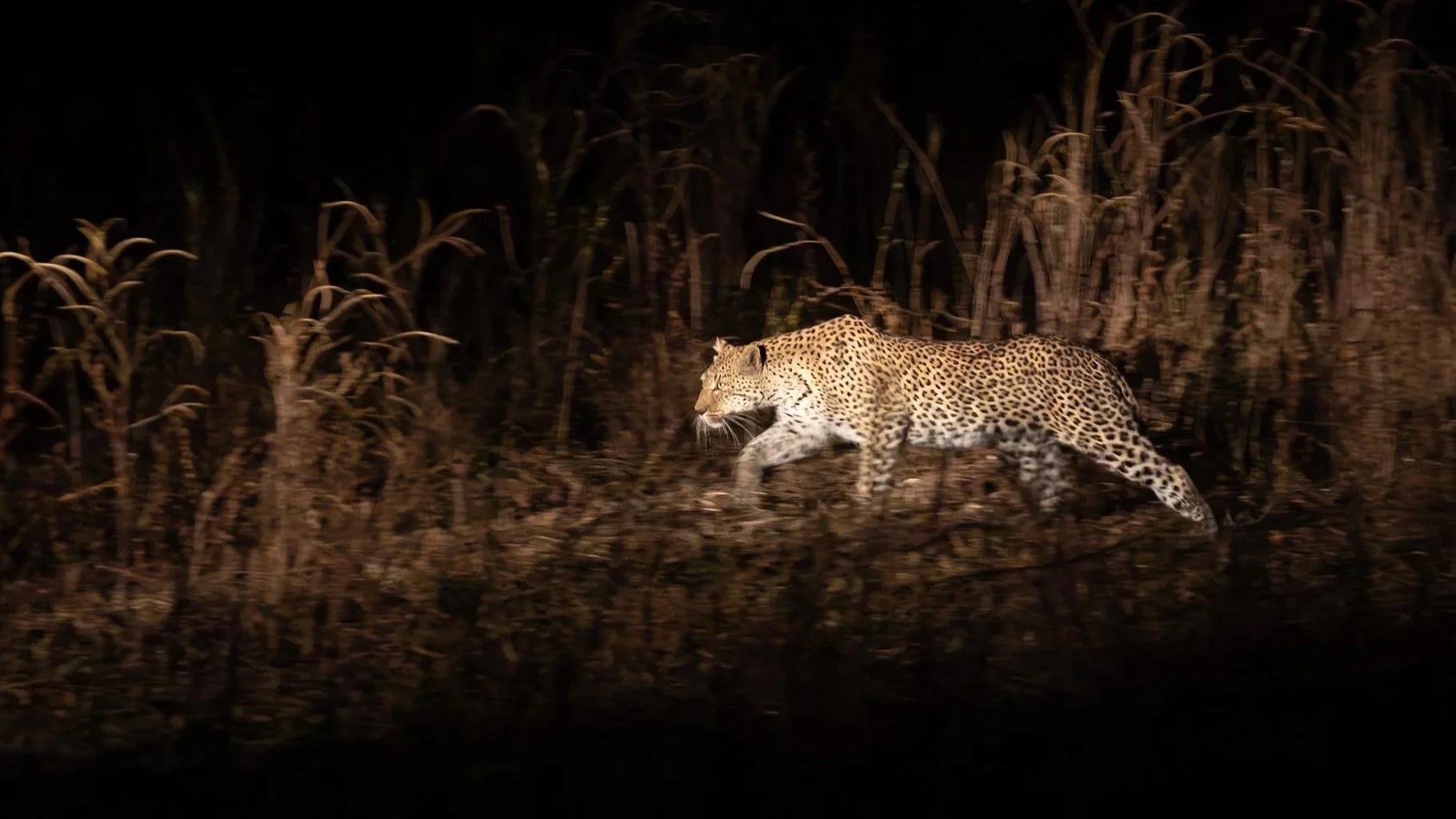
LEOPARD
Zambia’s South Luangwa National Park is widely knowns as the “Land of the Leopards” because it has one of the highest densities of leopards in the world. The park is named after the Luangwa River which forms the park’s eastern border. The wide meandering river constantly changes course leaving behind oxbow lagoons, thick rich riverine forest, and fertile alluvial plains. This unique environment supports abundant prey and allows cats to live closer together, as resources (prey, water, mates) are so densely packed that it significantly shrinks territorial boundaries. It is these natural boundaries which allow high numbers of these cats to thrive.
Leopards are considered ambush predators. Thus, they rely entirely on stealth. The dense groves of ebony, mahogany and sausage trees that line the river corridors provide perfect camouflaged hiding spots and staging grounds for hunts. Leopards are excellent climbers and will utilize the canopy in these trees with their thick accessible branches. The large trees make it easy to climb and store the leopards’ prey, and they use it as a safe haven to protect themselves and their cubs from competing predators such as hyenas and lions.
The soil along the floodplain is incredibly fertile. It supports a massive density of wildlife. You will see the area teeming with a leopard’s favourite medium-sized prey, puku and imapla, which constantly feed close to the lagoons and riverbanks.
On my last trip we certainly were not disappointed with 15 sightings of leopards in 8 days. We witnessed a leopard stalking puku at night; a mated pair; a male up a tree with his impala kill; curious 5 month old cubs; and watched a female doing her best to avoid a lioness. In this last instance, the leopardess was forced up a tree. She somehow found a split second to descend and sprint away at top speed, leaving the larger stronger cat far behind.
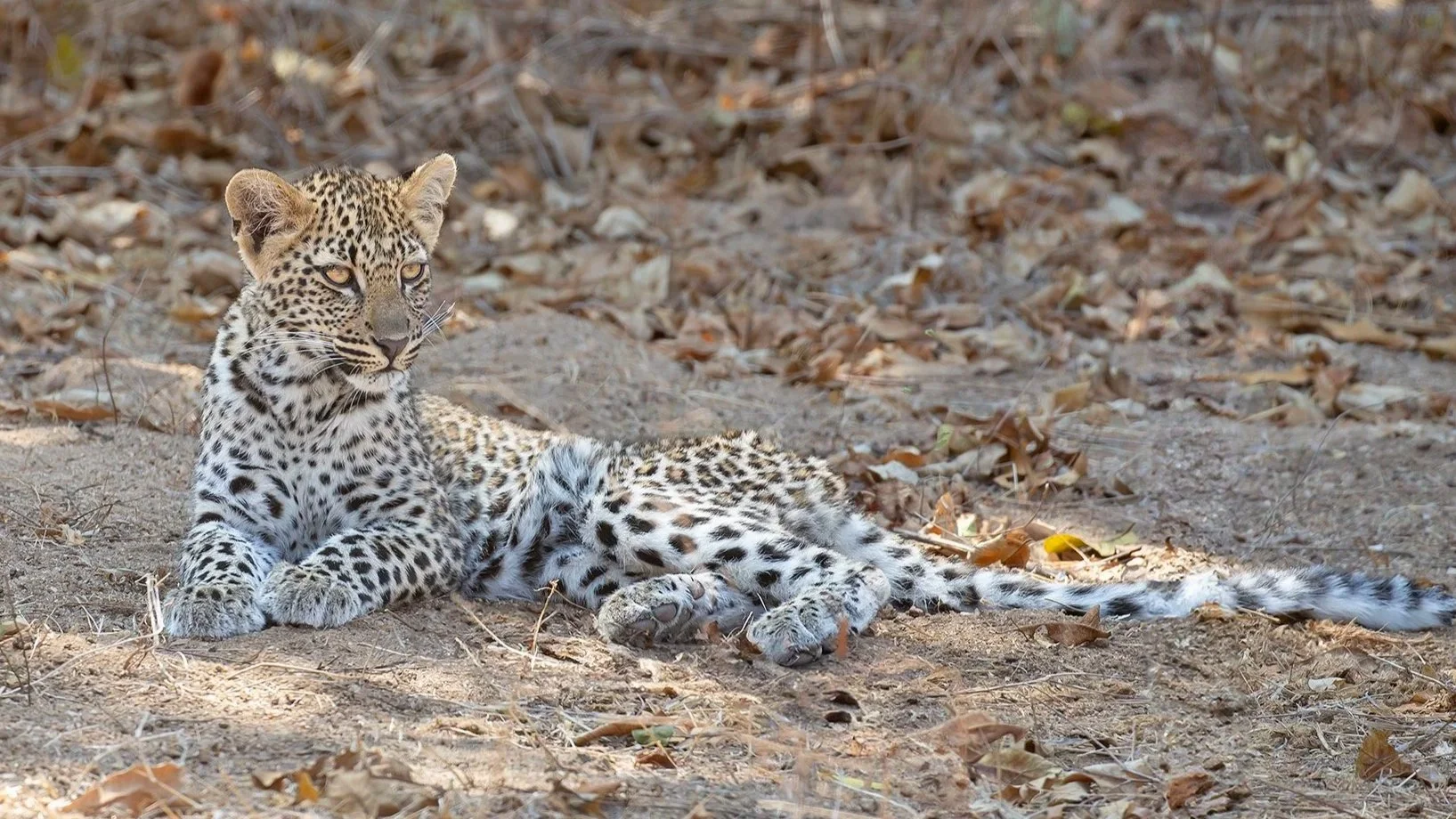
LEOPARD CUB